The Heart of Wells – Issue 1
As the holiday season approaches and families gather around the fireplace’s warm glow, telling ghost stories seems an unusual choice for Christmas entertainment. Yet, this peculiar tradition has deep roots in history, intertwining the festive season with spine-chilling tales of the supernatural.
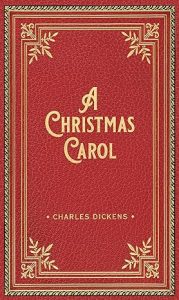
The tradition of sharing ghost stories at Christmas can be traced back to the Elizabethan period. The tradition had a resurgence in Victorian times. This era, known for its literary innovations and fascination with the supernatural, witnessed the re-popularisation of the Christmas ghost story. Charles Dickens, the prince of the phantasmagorical, notably contributed to this tradition with his timeless classic, “A Christmas Carol.” Published in 1843, Dickens’ tale of Ebenezer Scrooge and his haunting encounters with ghosts captivated the public imagination, becoming a Christmas staple.
The Victorians were drawn to the juxtaposition of the festive season’s joyous celebrations and the eerie, mysterious world of the supernatural. Christmas, traditionally a time for reflection and moral contemplation, provided the perfect backdrop for tales that explored the consequences of one’s actions and the potential for redemption. The writer Jerome K. Jerome observed in 1891: “Whenever five or six English-speaking people meet round a fire on Christmas Eve, they start telling each other ghost stories…It is a genial, festive season, and we love to muse upon graves, and dead bodies, and murders, and blood.”
The ghost story tradition continued to flourish into the early 20th century. Families would gather around the fire to read or tell tales of haunted spirits and mysterious apparitions as part of their festivities. Literary magazines of the time featured ghost stories as part of their holiday editions. Renowned authors such as M.R. James and Edith Wharton contributed to the genre, adding to the rich tapestry of Christmas ghost stories.
Unfortunately, the decline of the Christmas ghost story tradition is multifaceted, reflecting broader societal changes. Cultural shifts, attitudes and preferences changed, along with the rise of consumerism and the commercialisation of Christmas, led to a focus on more light-hearted and family-friendly entertainment.
Additionally, changing sensibilities and a desire for more positive, uplifting narratives contributed to the fading popularity of ghost stories during the holiday season. While the allure of the supernatural still captivates audiences, contemporary Christmas celebrations now favour lighter, more optimistic themes.
However, the echoes of the Christmas ghost story tradition remain in literary classics and adaptations that those seeking a touch of the eerie during the festive season continue to enjoy.
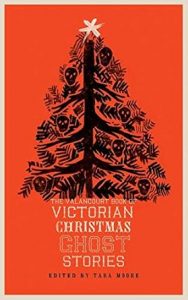
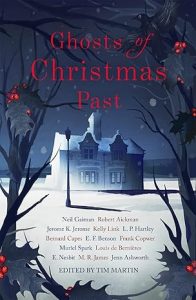
The books below are all available for you to enjoy from Amazon and are our top recommendations.